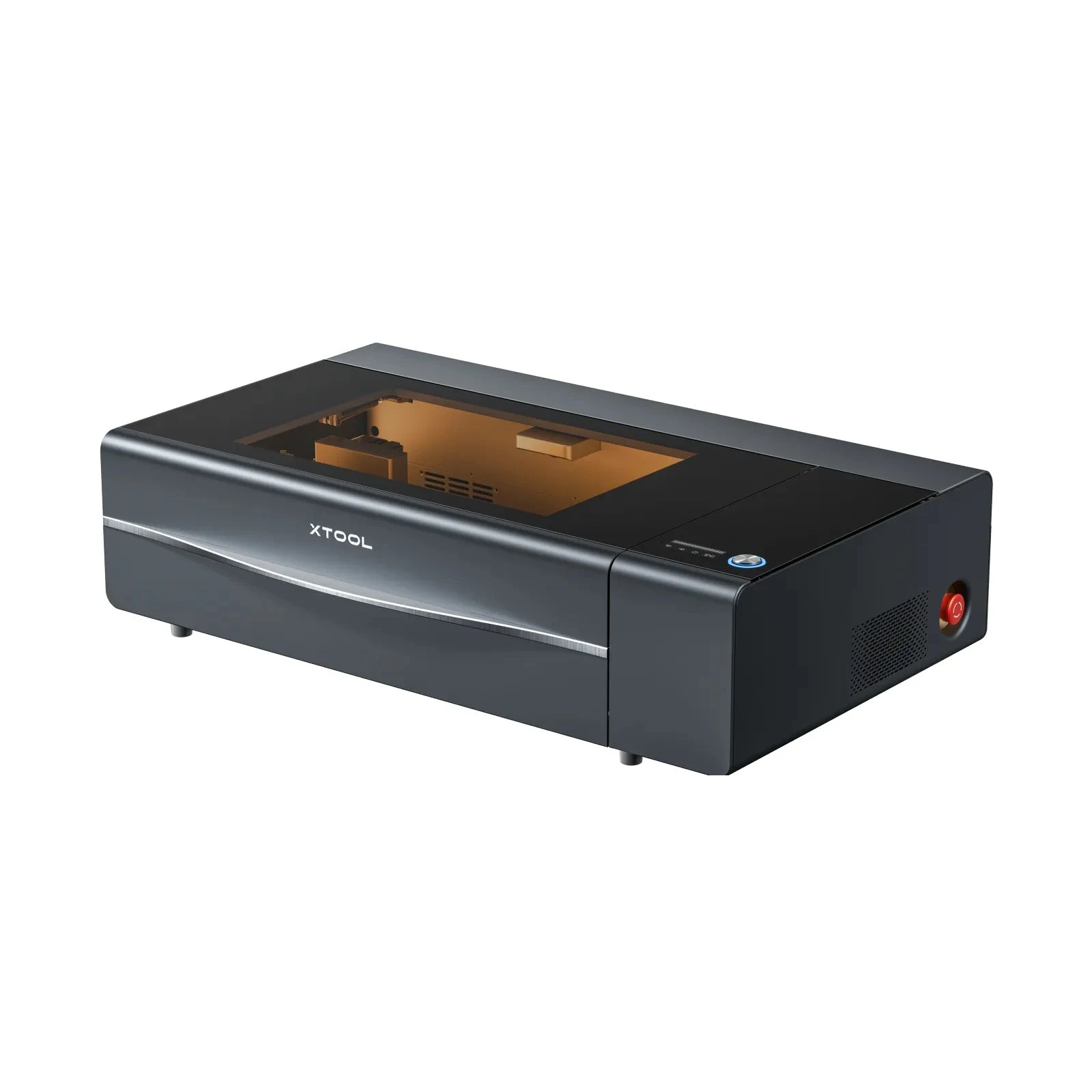
The P2S is a CO2 laser cutter and engraver, not a resin 3D printer. Plan approved materials, extraction and supervised operation before buying accessories.
Manufacturer information informs the product details; the buying analysis is our own. This is not a hands-on test.Define a project before defining a machine
A small engraved gift, cut acrylic shape and assembled wooden object require different materials and workflows. Choose a representative first project and identify the permitted material, size and preparation. This makes the machine comparison concrete. A broad creative promise can otherwise leave you paying for hardware without knowing whether it suits the object you want to make.
The xTool P2S is described as a desktop CO2 laser cutter and engraver. It is not a machine for printing layers of resin into a three-dimensional object. Engraving or cutting a design and additive 3D printing are different processes. Keep that terminology clear when comparing equipment so that attractive example objects do not conceal a mismatch.
The manufacturer lists a 55-watt working laser for the P2S. That is a product specification, not a universal cutting-depth guarantee for every material. Composition, thickness, settings and permitted operation matter. Use the current manufacturer guidance for the exact material and model rather than extrapolating from a demonstration of another sheet or machine.
Extraction is a purchase requirement, not a finishing touch
Laser processing produces smoke and other emissions that need an appropriate arrangement under the manufacturer instructions. Decide where supported extraction equipment will go and how it will be used. A lid does not make the process suitable for every indoor space. Do not buy the machine first and assume a room window settles the whole question.
Check the space required for the complete system, including access to materials and maintenance parts. A footprint that fits a desk does not show the room needed to load work, manage hoses or operate supported accessories. Plan the route and working clearance before choosing a location near household traffic or stored combustibles.
A filtration accessory is not a universal guarantee that every emission is harmless in every room. Follow the specific supported arrangement, maintenance requirements and local obligations. Where the setup is uncertain, get qualified advice. We do not certify a workshop safe from a product photograph or offer a general substitute for the operating manual.
Material identification matters more than appearance
Do not engrave or cut an unidentified sheet because it resembles a material seen in a project video. Coatings, adhesives and additives can change suitability. The xTool safety guidance warns against materials containing PVC or vinyl. Use approved, correctly identified materials and follow the model instructions rather than trial-and-error testing unknown stock.
Keep material records for repeated projects. A supplier name and exact material type are more useful than a label saying clear plastic. If a project requires a different stock, validate that material independently. A successful previous job does not establish that a visually similar replacement is safe or produces the same result.
Observe the operation as instructed and never rely on the enclosure to justify leaving a laser job unattended. Maintain a clean workspace and follow the manufacturer fire and emergency guidance. Avoid using the machine where children, pets or untrained visitors can interfere. The convenience of a desktop design does not remove the hazards of the process.
Budget for a supported workflow
Separate the base machine from optional accessories in the chosen offer. A riser, rotary arrangement or extraction component shown in an example may not be included. Verify exact compatibility rather than assuming every accessory across the brand works with the P2S. The total project budget should include permitted material and any required setup components.
Plan time for design preparation, supported software and a modest first project. A machine that can process a design still needs a suitable file, positioning and validated settings. Do not promise that purchasing equipment automatically creates a profitable business. Learning, waste, consumables and local requirements remain part of ownership.
Shortlist the P2S when you have a relevant project and a suitable supported workshop arrangement. Delay purchase when material identification or extraction is unresolved. That is a useful buying decision, not a lack of ambition. A prepared first project is a stronger foundation than collecting accessories around an unsafe or impractical location.